
Most intermediate players practice randomly, hitting balls without purpose. A structured pickleball practice routine changes everything by targeting specific weaknesses and building consistent improvement patterns.
Here’s a complete 7-day framework that transforms scattered practice time into focused skill development sessions.
Understanding Your Practice Goals
Before jumping into drills, you need clarity on what needs improvement. Most 3.5 players struggle with consistency, while 4.0+ players need better shot selection and court positioning.
Identify Your Current Skill Gaps Record yourself playing for 30 minutes, then watch for patterns. Are you missing third shot drops? Getting caught out of position? Struggling with dink consistency? Write down the top three issues you notice.
Set Specific Improvement Targets Instead of “get better at dinking,” aim for “hit 8 out of 10 dinks crosscourt within 2 feet of the net.” Specific targets make practice sessions more focused and progress measurable.
Create Measurable Progress Metrics Track simple numbers weekly: serve percentage, third shot drop success rate, or unforced errors per game. This data shows whether your pickleball practice routine is working.
Warm-Up and Mobility Drills
Your warm-up sets the tone for quality practice. Skip this, and you’ll waste 15 minutes finding your rhythm while risking injury.
Dynamic Stretching for Pickleball Start with arm circles, leg swings, and torso rotations. Focus on movements that mimic pickleball strokes - overhead reaches for serves, lateral lunges for wide shots, and hip rotations for power generation.
Core and Shoulder Mobility Spend 5 minutes on shoulder dislocations with a resistance band and bird dog exercises. These directly impact your ability to generate consistent paddle control and prevent overuse injuries.
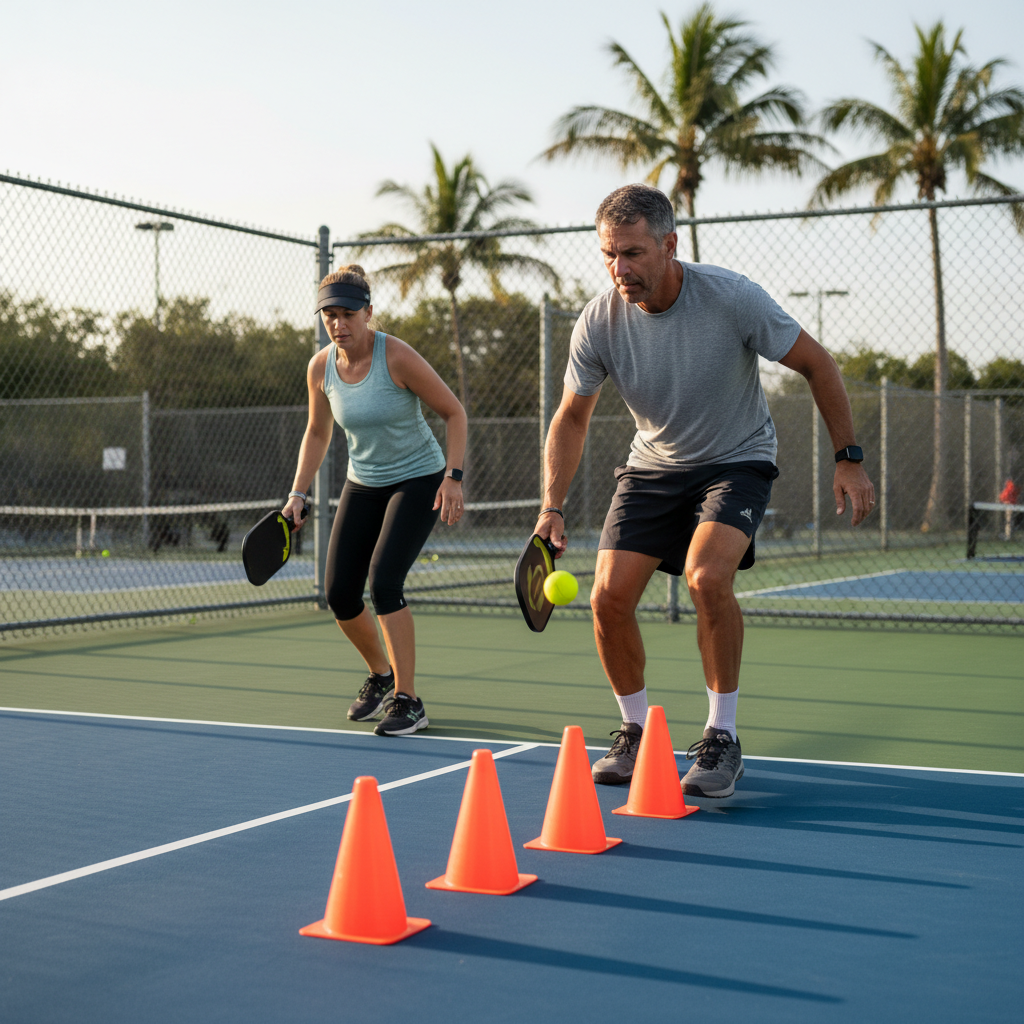
Footwork and Agility Patterns Set up four cones in a square pattern. Practice shuffle steps, crossover steps, and split-step timing. This primes your feet for the quick directional changes pickleball demands.
Technical Skill Development
This is where most players spend their time, but structure matters. Random hitting won’t fix specific technical flaws.
Dinking and Soft Game Mastery Dedicate 20 minutes to controlled dinking with a partner. Start crosscourt, then straight ahead, focusing on paddle face angle and follow-through. Aim for 20 consecutive dinks before attempting winners.
Pro tip: Practice dinking from different court positions - not just the kitchen line. You’ll face dinks from mid-court during games.
Third Shot Drop Technique This shot separates intermediate players from advanced ones. Practice from the baseline with a target zone 3-4 feet from the net. Focus on contact point consistency rather than spin or pace.
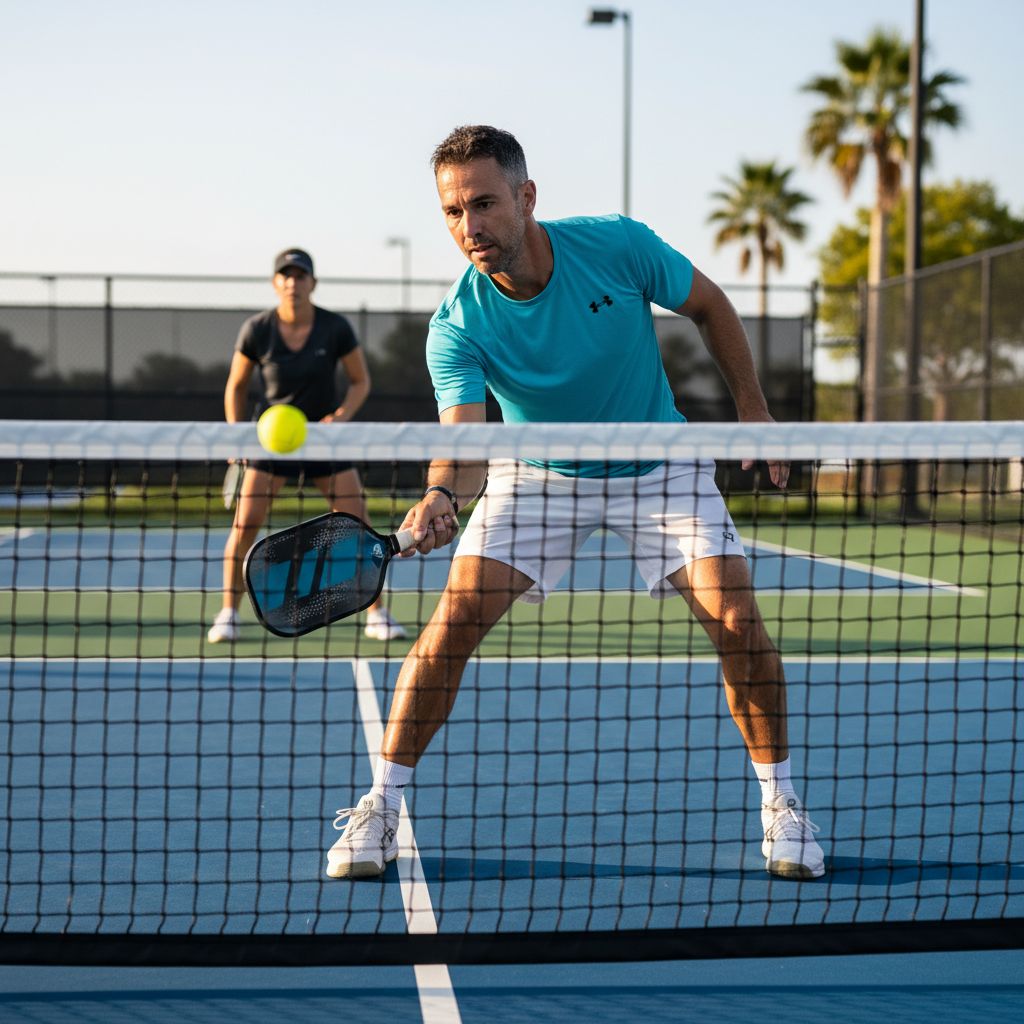
Start with 50 drops from a stationary position, then add movement.
Serve and Return Consistency Spend 15 minutes hitting serves to specific targets. Place cones in the deep corners and aim for 7 out of 10 successful placements. Then practice return positioning and depth control.
Strategic Game Simulation
Technical skills mean nothing without game application. This section bridges the gap between drilling and match play.
Targeted Gameplay Scenarios Create specific situations during practice games. Start points at the kitchen line, practice serving and returning under pressure, or focus on transition game scenarios.
One effective drill: Play games where you can only win points with third shot drops or dinks. This forces you to develop patience and shot selection.
Partner Communication Drills Practice calling shots, switching positions, and coordinating attacks. Most intermediate players lose points due to poor communication, not technical errors.
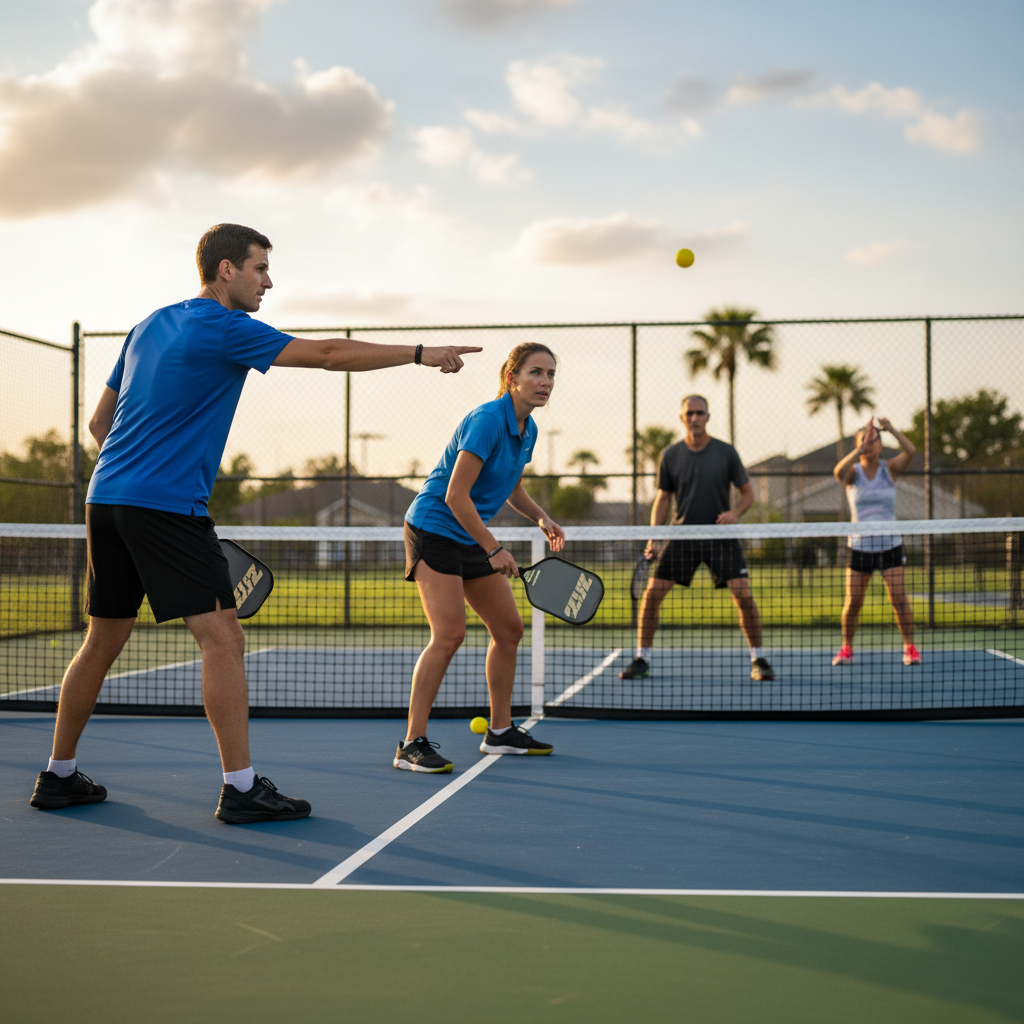
Work on simple calls: “mine,” “yours,” “switch,” and “stay.” Clear communication prevents confusion during fast exchanges.
Position-Specific Strategy Practice If you typically play the right side, spend time understanding left-side responsibilities. Practice stacking scenarios and poaching opportunities with your regular partner.
Recovery and Performance Analysis
The best players analyze their practice as much as they analyze their games. This final component ensures continuous improvement.
Video Review of Practice Sessions Record 10-15 minutes of your technical work weekly. Watch for consistent form breakdowns or positioning errors you can’t feel during play.
Focus on one technical element per review session - trying to fix everything at once leads to paralysis.
Physical and Mental Recovery Include 10 minutes of static stretching after each session. Mental recovery is equally important - spend a few minutes reflecting on what felt good and what needs work.
Weekly Performance Tracking Every Sunday, review your practice notes and match results. Are your targeted improvements showing up in games? Adjust next week’s focus based on this analysis.
Common Mistakes to Avoid
Practicing Too Many Things at Once Focus on 1-2 specific skills per session. Quality repetition beats scattered practice every time.
Skipping the Boring Stuff Footwork and consistency drills aren’t exciting, but they’re where games are won. Don’t skip fundamentals for flashy shots.
Not Practicing Under Pressure Include competitive elements in your drills. Practice serves when you’re tired, or dink when someone’s keeping score.
FAQ
How long should each practice session last? 60-90 minutes is ideal for intermediate players. This allows proper warm-up, focused skill work, and game application without mental fatigue.
Can I modify this routine for my skill level? Absolutely. 3.5 players should emphasize consistency and basic positioning. 4.0+ players can add more complex scenarios and shot combinations.
What equipment do I need for these drills? Basic cones, a resistance band, and access to video recording. Most drills use standard court equipment and a practice partner.
How often should I adjust my practice routine? Review and adjust every 2-3 weeks based on tournament results or league play feedback. Major changes should happen monthly.
How do I track my improvement? Keep a simple practice journal noting drill results, match outcomes, and specific technical focus areas. Numbers don’t lie - track what matters most to your game.