You’re standing at the kitchen line when your opponent unleashes another screaming drive straight at your chest. Your reflex block flies long. Again.
Here’s the thing: playing against bangers pickleball isn’t about matching their power—it’s about making them play your game instead.
Most players try to out-hit the hitters and end up in a losing battle. The secret? Turn their biggest strength into their greatest weakness through smart positioning, soft shots, and mental warfare.
Understanding Pickleball Bangers
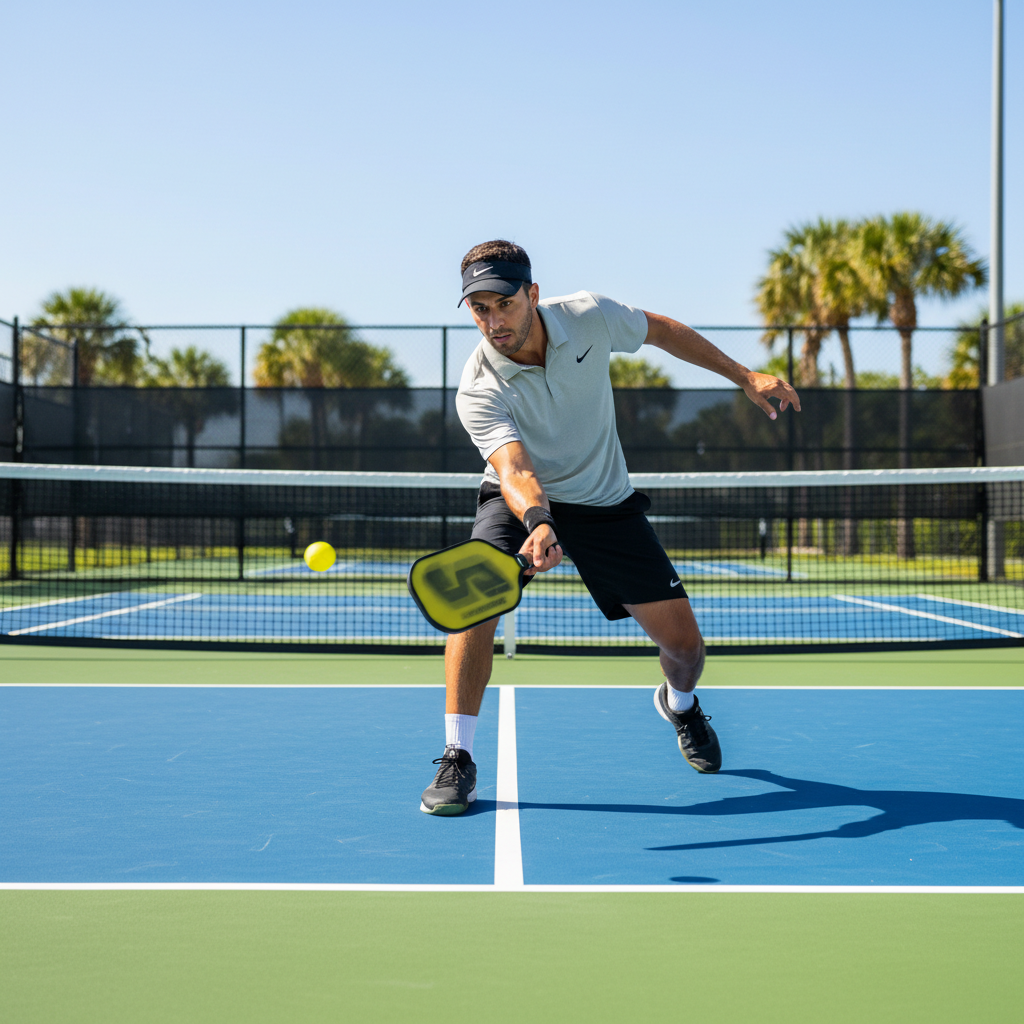
What is a pickleball banger? A banger is a power-focused player who relies primarily on hard drives, aggressive serves, and attacking shots rather than finesse and placement. They typically play from the baseline and look for opportunities to hit winners through sheer force.
Bangers follow predictable patterns that you can exploit. They love high balls, wide angles, and anything that sits up in their strike zone.
Most bangers operate between 3.5-4.2 skill levels. They’ve developed solid power but lack the touch shots that separate good players from great ones.
Recognizing Banger Attack Patterns
Watch for these telltale signs: - Consistent baseline positioning during rallies - Immediate attacks on any ball above net height - Limited variety in shot selection - Frustration when forced into soft game exchanges
The psychology is simple: bangers believe power solves everything. They get uncomfortable when the pace slows down and angles tighten.
Defensive Positioning Strategies
Your court position determines whether you’re a target or a threat. Against bangers, every step matters.
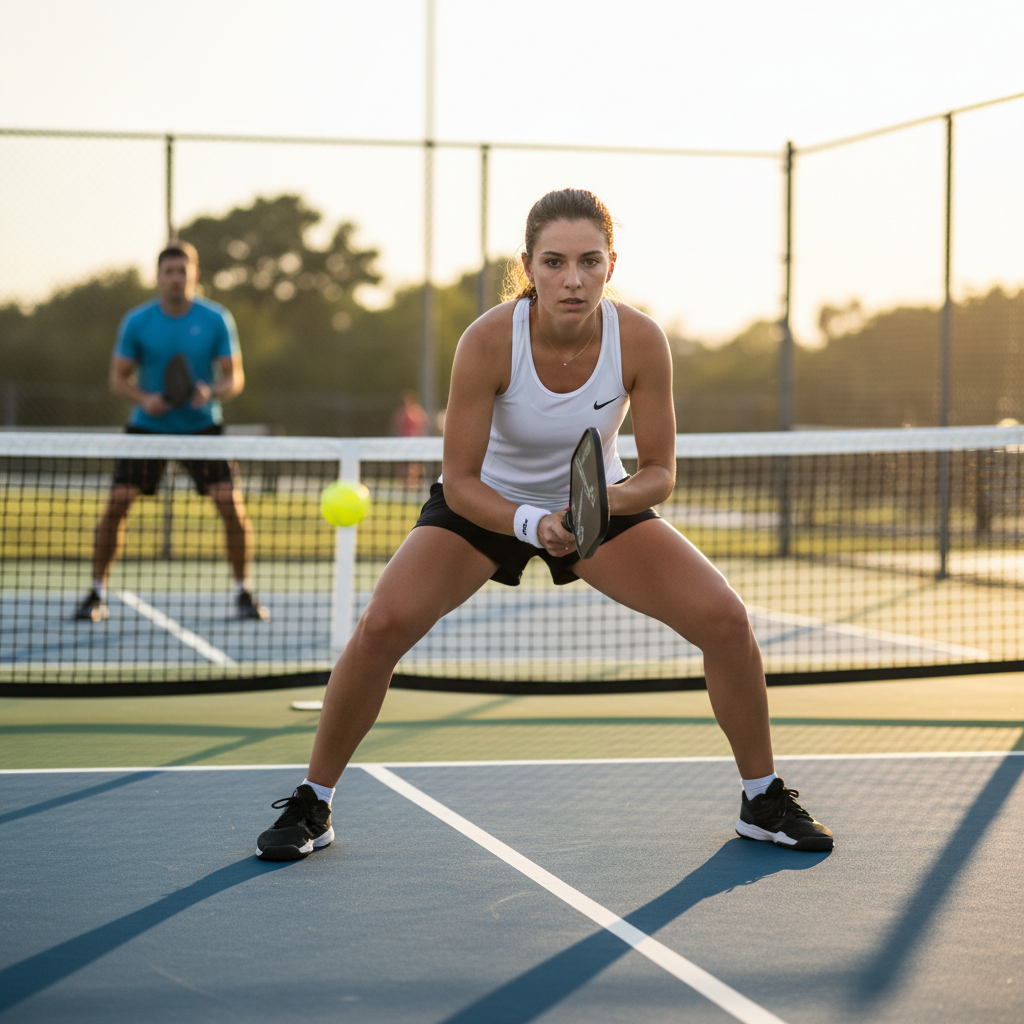
Stand 2-3 feet behind the kitchen line when they’re attacking from the baseline. This gives you reaction time and reduces their angle options.
Keep your paddle at chest height in a ready position. Bangers hit hard and fast—there’s no time for elaborate preparation swings.
Movement and Anticipation Fundamentals
Split step 0.5 seconds before they make contact. This primes your muscles for explosive movement in any direction.
Watch their paddle face, not the ball. The angle tells you where it’s going before they even swing.
Use shuffle steps to maintain balance. Cross-over steps leave you vulnerable to direction changes.
Never back up during the rally. Hold your ground or move forward. Retreating only gives them more angle and time.
Neutralization Techniques
The soft game is your weapon of choice. While they’re swinging for the fences, you’re playing chess.
Drop every attackable ball into the kitchen. Force them to move forward and play your pace, not theirs.
When they drive at you, use a compact blocking motion. Keep the paddle face slightly open and let their power work against them.
Blocking and Redirecting Power Shots
Absorb their energy with a firm but relaxed grip. Tension in your hand creates erratic bounces off the paddle.
Aim for their feet when blocking. Low shots at their body force awkward positioning and weaker returns.
Redirect cross-court whenever possible. This opens up the court and makes them cover more ground.
Common mistake: trying to add your own power to blocks. Let their speed do the work—just guide the direction.
Mental Game Tactics
Here’s where most players miss the boat. Bangers are emotional players who feed off momentum and intimidation.
Slow down the game deliberately. Take your full time between points. Walk to retrieve balls instead of jogging.
Show zero reaction to their winners. No grimacing, no head shaking. Just reset and play the next point.
Creating Frustration for Power Players
Mix up your return positions. Stand closer for serves, then back off. Keep them guessing where you’ll be.
Use the entire court width on your returns. Make them run side to side—power players often have conditioning weaknesses.
Celebrate your soft winners enthusiastically. When your drop shot catches them flat-footed, show some emotion. It plants seeds of doubt.
In my experience, bangers start making unforced errors around the 7-8 point mark when their power game isn’t working. That’s your window.
Advanced Counter-Banger Strategies
Once you’ve neutralized their power, it’s time to turn defense into offense.
Target their backhand corner consistently. Most bangers have weaker backhands and will try to run around them, opening up court space.
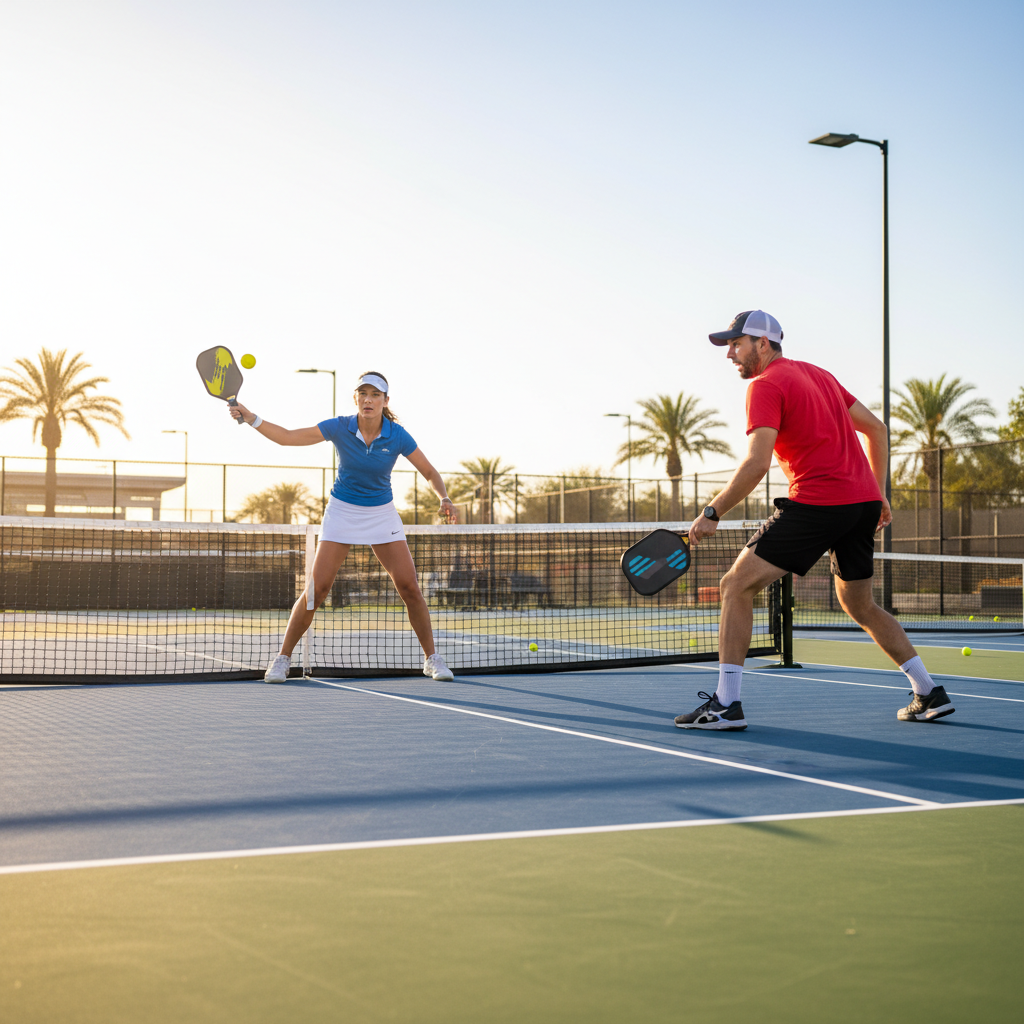
Use short angles when they’re deep. Drop shots just over the net to their forehand side force them into uncomfortable forward movement.
Exploiting Power Players’ Weaknesses
Watch for these common banger vulnerabilities: - Poor net game skills when forced forward - Limited touch on low balls - Tendency to overhit when frustrated - Weak defensive positioning
Convert their pace into winners. When they give you a medium-speed ball, attack it with placement, not power.
The key is patience. Let them make the mistakes while you stay consistent and smart.
Common Mistakes When Playing Against Bangers
Mistake #1: Trying to out-hit them. You’ll lose this battle 9 times out of 10.
Mistake #2: Standing too close to the kitchen line during their attacks. Give yourself reaction time.
Mistake #3: Getting emotionally rattled by their winners. Stay composed and stick to your game plan.
Mistake #4: Neglecting court coverage. Bangers exploit open spaces ruthlessly.
Pro Tips for Success
Practice your blocks religiously. Spend 15 minutes before each session having someone feed you hard drives to different zones.
Develop a reliable drop shot. This is your primary weapon for pace changes and court positioning.
Work on your mental game. Playing against bangers pickleball is 60% strategy, 40% execution.
What I’ve found after years of coaching: the players who beat bangers consistently aren’t the ones with the hardest shots—they’re the ones who stay calm, think tactically, and trust their soft game.
FAQ
How do I prevent getting overpowered by bangers? Position yourself 2-3 feet behind the kitchen line, keep your paddle at chest height, and use their power against them with firm blocks. Focus on placement over power in your returns.
What’s the best paddle for defending against power shots? Choose a paddle with good control characteristics—slightly heavier weight (8.2-8.5 oz) and a textured surface for better spin. Avoid overly powerful paddles that amplify their pace.
Can a smaller player effectively counter a banger? Absolutely. Size matters less than strategy. Smaller players often have better court movement and touch shots, which are exactly what you need against power players.
How do I improve my reaction time against hard hitters? Practice split stepping, keep your paddle in ready position, and watch their paddle face rather than the ball. Regular drilling against fast feeds will improve your reflexes.
What are the most common mistakes when playing against bangers? Trying to match their power, standing too close during their attacks, getting emotionally frustrated, and abandoning your soft game strategy when they hit winners.